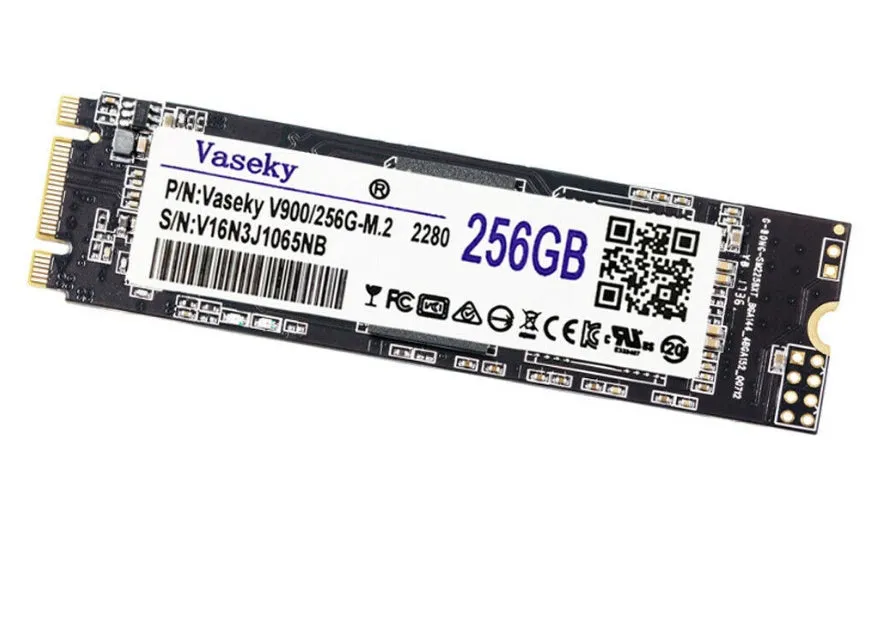
SSD NGFF Interface SATA Protocol M.2 2280 256GB Internal Solid State Drive for Notebook Laptop 1.8-Inch TLC Three-Layer Unit 500MB/s Read Write Speed Thin 0.2mm Height Compact Storage Upgrade


SSD NGFF Interface SATA Protocol M.2 2280 256GB Internal Solid State Drive for Notebook Laptop 1.8-Inch TLC Three-Layer Unit 500MB/s Read Write Speed Thin 0.2mm Height Compact Storage Upgrade
NGFF M.2 2280 256GB SATA SSD Upgrade for Notebooks – 500MB/s Read Write Speed
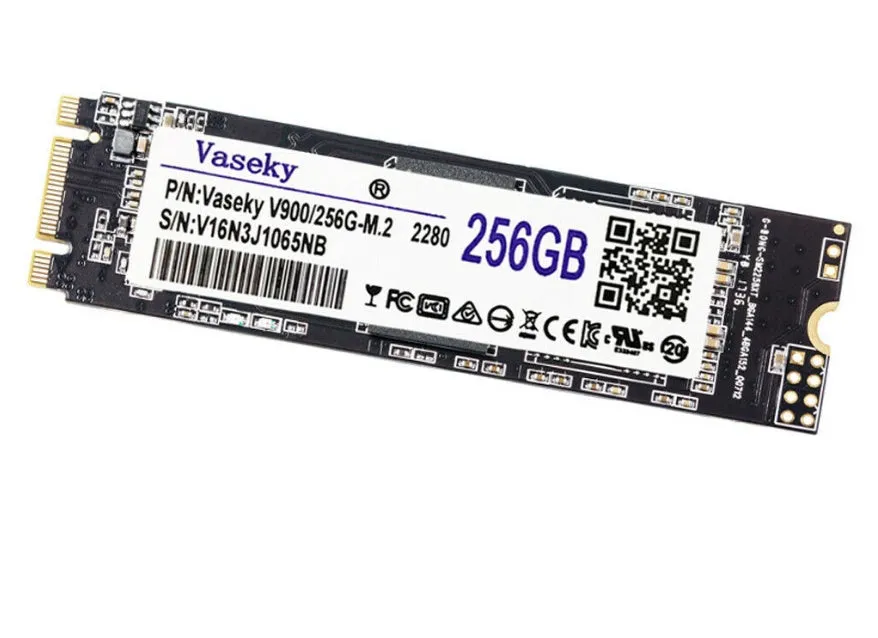
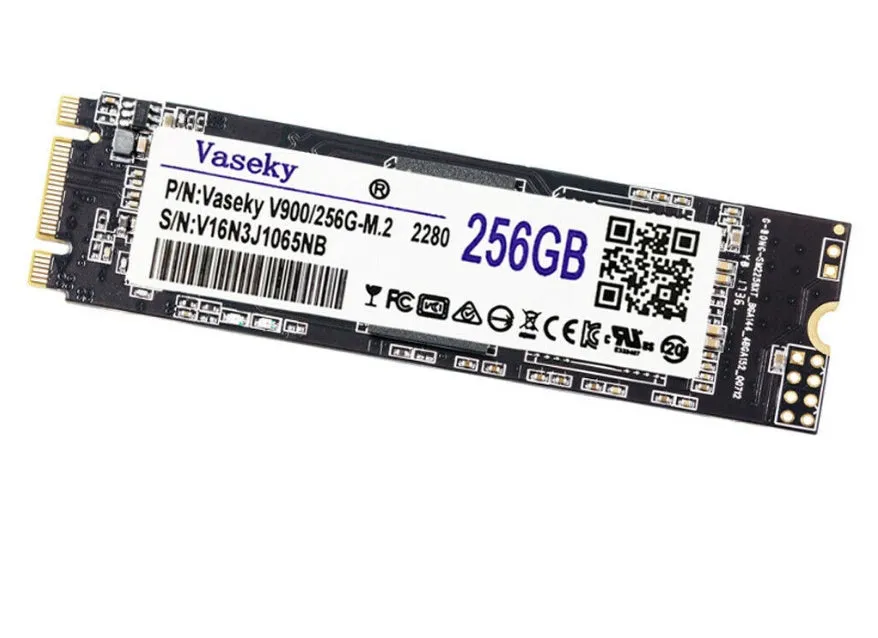
Upgrading your notebook's storage to a solid state drive is one of the most effective ways to improve overall system performance. This 256GB SSD uses the NGFF (M.2) interface with a SATA protocol, making it a straightforward drop-in replacement for compatible laptops that support the M.2 2280 form factor. With sequential read and write speeds of up to 500MB/s, it offers a noticeable improvement over traditional mechanical hard drives, reducing boot times, application launch delays, and file transfer waits. The drive's compact dimensions of 9cm by 3cm with a mere 0.2mm thickness ensure it fits neatly into the thin chassis of modern ultrabooks and standard notebooks. At just 0.0175 kg, it adds negligible weight to your portable system. This drive is especially suited for users who need a reliable primary storage solution for everyday computing tasks, document work, and light media consumption, without the bulk or noise of older storage technology.
Features and Construction
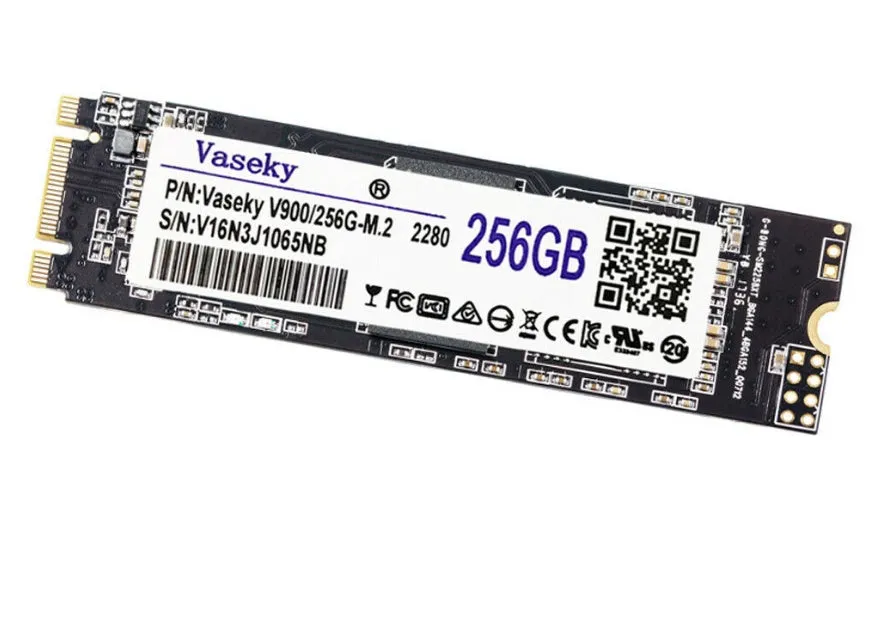
This SSD is designed around the M.2 2280 standard, which is one of the most common form factors for internal solid state drives in modern laptops. Its SATA protocol ensures broad compatibility with many systems that do not support the newer NVMe standard. The construction prioritises slimness and low weight, making it an ideal choice for thin-and-light notebooks where space is at a premium.
Interface and Protocol
The drive uses an NGFF (Next Generation Form Factor) interface, commonly known as M.2, with the SATA III protocol. This means it connects through a standard M-key or B+M-key slot commonly found on motherboards in laptops from the last several years. The SATA III bus delivers maximum theoretical throughput of 6Gbps, and this drive achieves practical read and write speeds of up to 500MB/s under ideal conditions, providing consistently fast data access for daily use.
Flash Memory and Architecture
Built with TLC (Triple-Level Cell) NAND flash, this drive stores three bits per cell, allowing higher storage density compared to older MLC (Multi-Level Cell) designs. This architecture helps keep the cost per gigabyte competitive while still delivering the performance most users need for operating system and application use. The controller manages wear levelling and error correction to maintain data integrity over the drive's lifespan.
Physical Dimensions and Weight
The SSD measures exactly 9 centimetres in length, 3 centimetres in width, and has an extremely thin profile of just 0.2 millimetres. This conforms to the M.2 2280 specification (22mm wide, 80mm long). At only 0.0175 kilograms, the drive is practically weightless, making it suitable for ultra-slim laptops where every gram counts. The 1.8-inch form factor designation matches the physical dimensions of the drive for identification purposes.
Uses and Placement
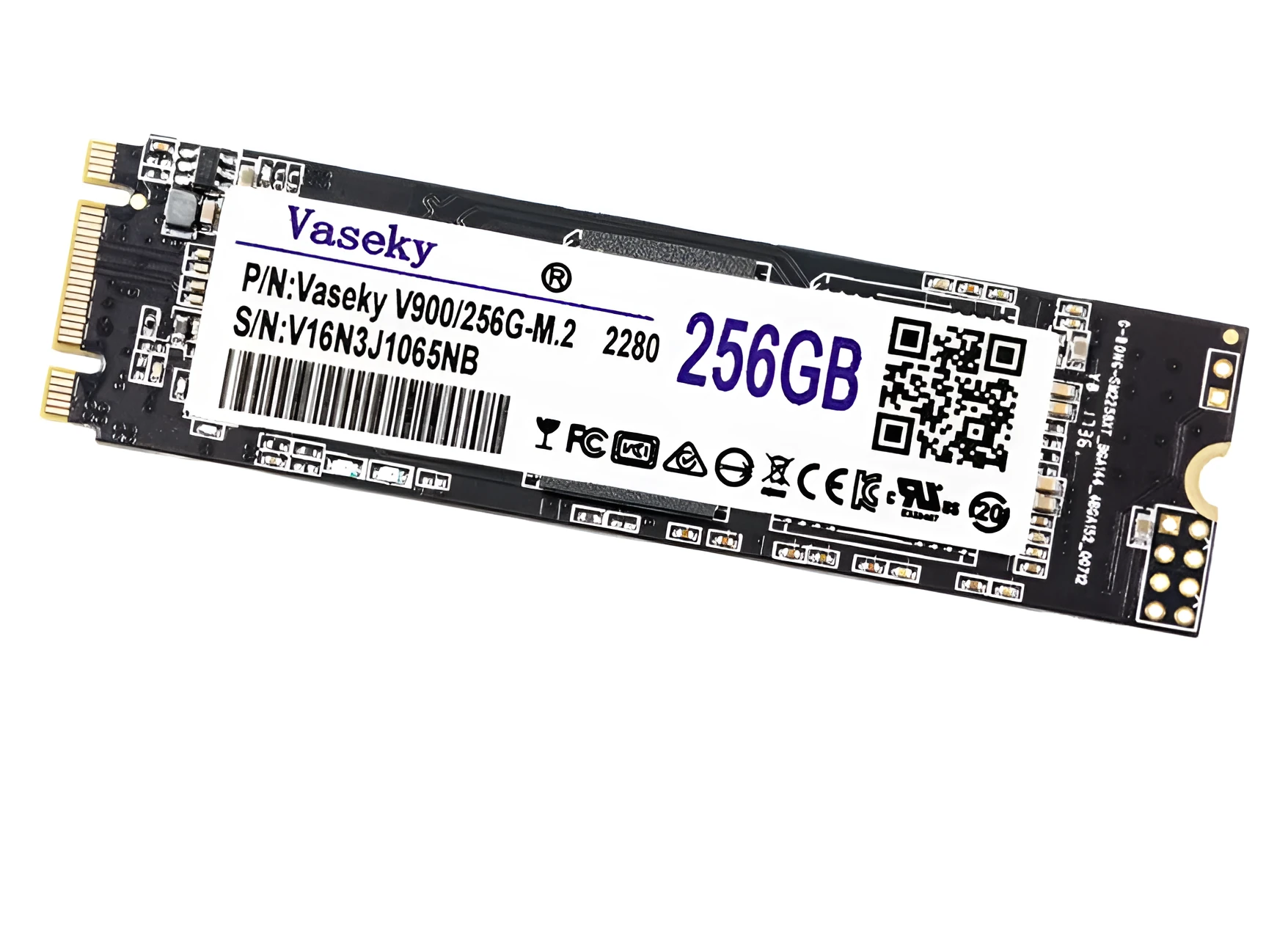
This drive is specifically designed for use as internal storage in notebook computers that have an available M.2 2280 slot supporting SATA protocol. It is not intended for external enclosures or desktop use unless the desktop motherboard has a compatible slot. Its compact size makes it particularly well-suited to laptops where space constraints are tight.
Notebook Storage Upgrade
The most common use case is replacing an existing mechanical hard drive or a slower SATA SSD in a notebook. Many laptops that originally shipped with a 2.5-inch drive can be upgraded to this M.2 format if they have a spare slot, or you can use it as a secondary drive alongside a primary NVMe SSD. The 256GB capacity is well-suited for an operating system, essential software, and personal files such as documents and photos.
Secondary or Boot Drive
If your laptop supports multiple storage slots, this drive can be used as a dedicated boot drive to host your operating system, keeping applications responsive. Alternatively, it works well as a secondary drive for storing less frequently accessed data, though its SATA speeds mean it is not ideal for heavy video editing or professional workloads that demand higher throughput.
Compatibility Considerations
Before purchasing, verify that your laptop's M.2 slot supports SATA protocol (many M.2 slots accept both SATA and NVMe, but some accept only one type). The physical keying is typically M-key or B+M-key, and the drive should fit most 2280-length slots. If your slot is keyed for NVMe only, this SATA drive will not work. Consult your laptop's manual or specifications to confirm correct interface type.
Benefits and Buying Value
Choosing this SSD means getting proven SATA-based performance in a compact, low-power form factor that extends the useful life of an older notebook. The TLC flash memory offers a good balance of speed and affordability, making it a practical upgrade for everyday computing. Its slim profile and light weight do not compromise your laptop's portability.
Performance and Efficiency
With sequential read and write speeds of up to 500MB/s, this SSD provides a significant improvement over a typical 2.5-inch hard drive (which averages around 100-150MB/s). This translates to faster boot-up times, quicker application launches, and snappier file copying. The low power draw of NAND flash also helps improve battery life compared to mechanical drives, making it a sensible choice for mobile users.
Reliability and Longevity
Solid state drives have no moving parts, which makes them inherently more resistant to physical shock and vibration than hard drives. This reliability is especially valuable in a laptop that is moved frequently. The TLC architecture, while not as endurance-focused as SLC or MLC, still offers sufficient program/erase cycles for typical consumer usage patterns over several years of daily use.
Why Choose This Product
If you need a reliable, straightforward storage upgrade for a compatible notebook without the higher cost of NVMe drives, this SATA-based M.2 SSD is a solid choice. Its 256GB capacity strikes a useful middle ground – enough for a system drive with room for key applications, yet affordable. The 0.2mm thickness ensures it fits ultra-thin laptops where clearance is minimal. This drive offers a no-fuss, plug-and-play upgrade path for extending your laptop's performance.