
Solar panel controller with 12V/24V battery voltage compatibility, 20A discharge current, and maximum panel voltage of 100V at 25°C for solar controller systems, model BT-1 including BT 1 Bluetooth module
BT 1 Bluetooth module
£49.98
Sale price
£49.98
Regular price
Skip to product information

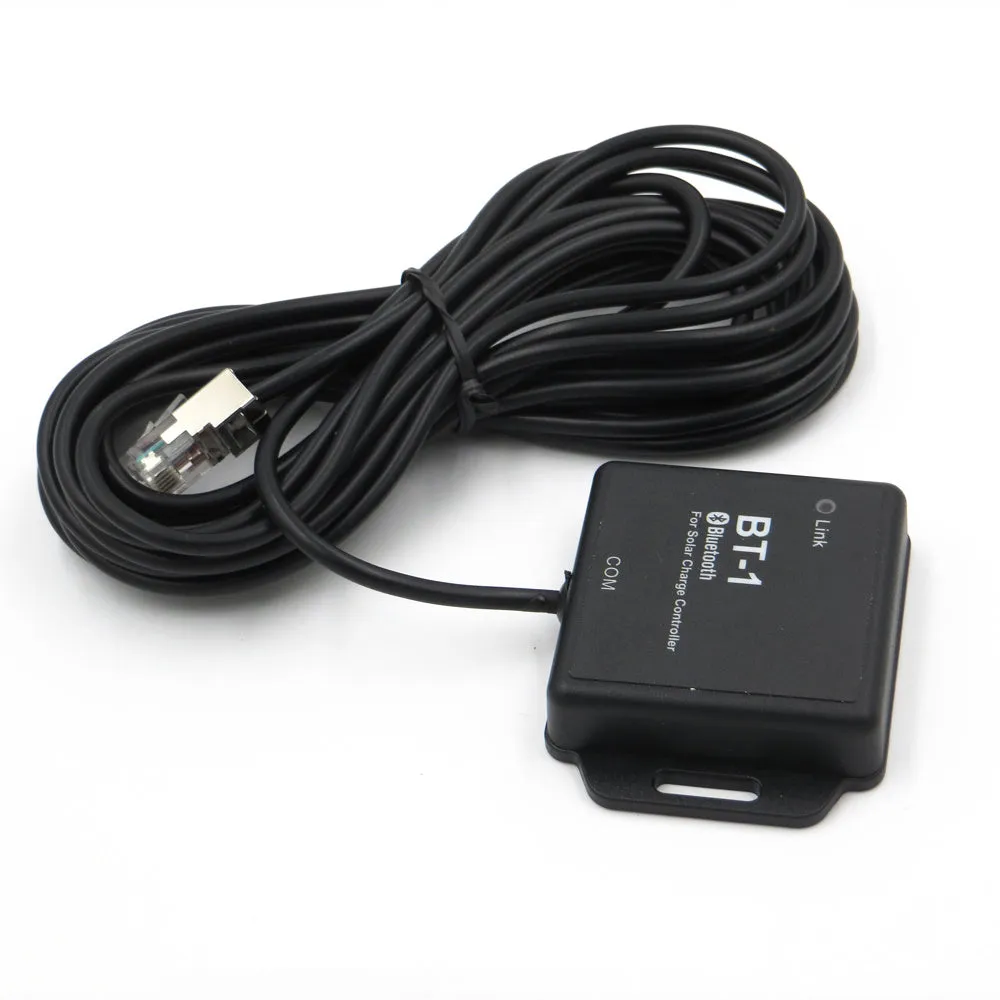 This solar charge controller provides essential power management for off-grid solar systems, offering dual voltage compatibility for 12V and 24V battery banks alongside wireless monitoring capabilities. With a substantial 20A discharge current rating, it can manage connected loads while protecting batteries from over-discharge. The temperature-adaptive maximum panel voltage ensures reliable operation across varying environmental conditions, from standard 25°C environments down to -25°C winter conditions. Designed specifically for solar controller applications, the BT-1 model integrates a Bluetooth module as standard equipment, allowing for convenient system monitoring without physical connections.
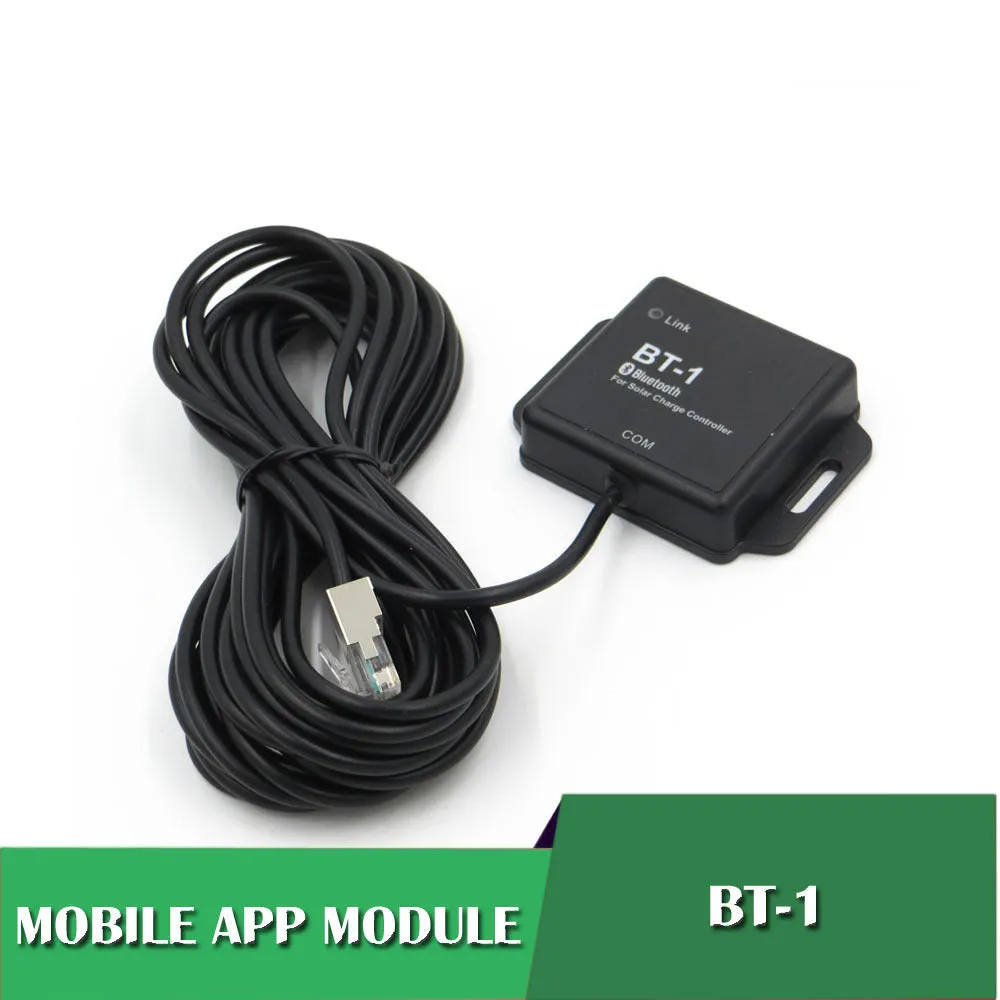 This section details the measurable electrical characteristics that define the controller's operational parameters and capabilities within solar power systems.
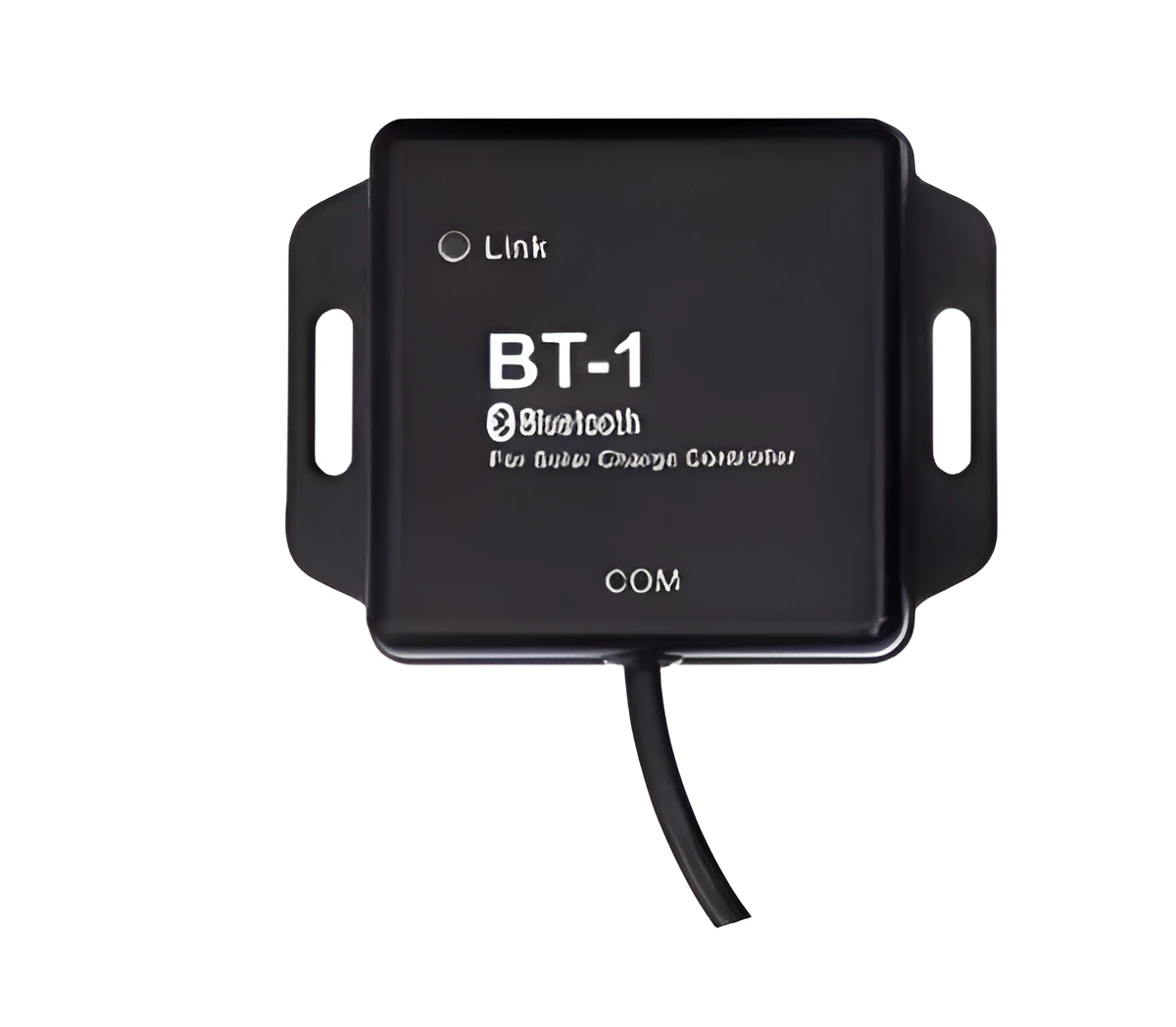 Understanding how this controller connects within solar power systems and interfaces with monitoring equipment helps determine its suitability for specific installations.
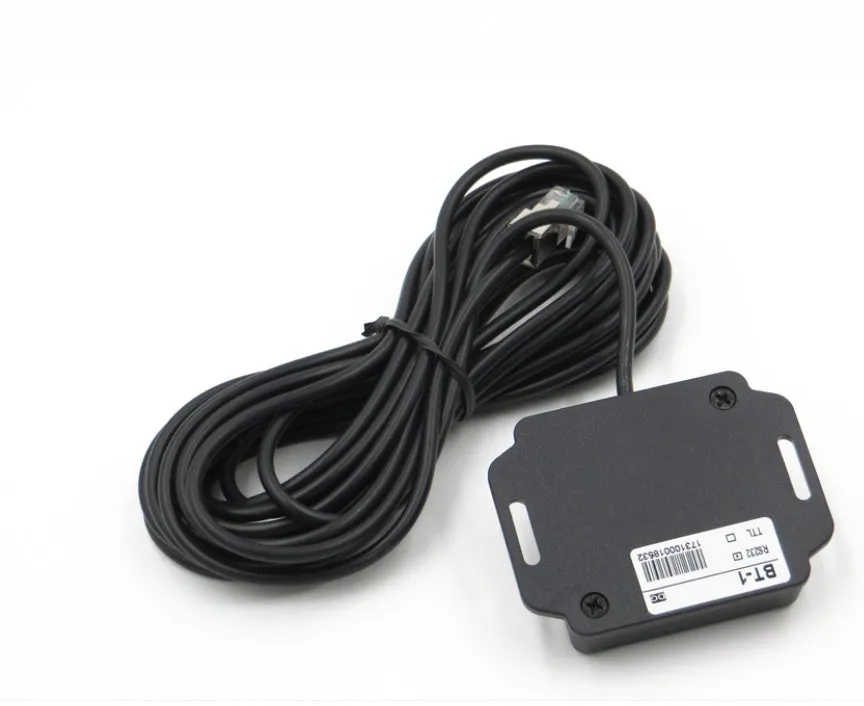 Evaluating how this controller fits specific installation requirements and understanding its operational parameters ensures appropriate system matching and reliable performance.


Solar panel controller with 12V/24V battery voltage compatibility, 20A discharge current, and maximum panel voltage of 100V at 25°C for solar controller systems, model BT-1 including BT 1 Bluetooth module
£49.98
Sale price
£49.98
Regular price
BT-1 Solar Panel Controller with 12V/24V Battery Compatibility and Bluetooth Module
Technical Specifications and Performance
Voltage Compatibility Range
The controller supports both 12V and 24V battery system configurations, providing flexibility for different scale installations without requiring separate models. This dual voltage capability allows users to select the appropriate voltage level based on their existing battery bank or planned system expansion. The automatic or manual voltage detection (depending on specific implementation) simplifies installation while maintaining compatibility with common lead-acid, gel, AGM, and lithium battery types typically used in solar applications.Current Handling Capacity
With a 20A discharge current rating, this controller can manage substantial electrical loads connected to the battery bank while preventing excessive discharge that could damage battery cells. This current capacity determines the maximum power that can be drawn from the system while maintaining proper battery protection protocols. The rating indicates suitability for medium-scale applications including lighting systems, small appliances, ventilation fans, and communication equipment commonly powered by off-grid solar installations.Temperature-Adaptive Voltage Limits
The maximum panel voltage specification adjusts based on operating temperature, rated at 100V at 25°C and decreasing to 90V at -25°C. This temperature compensation ensures reliable operation across seasonal variations and different installation environments, protecting both the controller and connected panels from voltage spikes that could occur in cold conditions. This feature allows for appropriate sizing of solar array configurations while maintaining safety margins throughout the year.System Integration and Connectivity
Solar System Application
Designed specifically for solar controller systems within the broader controller application category, this unit performs the essential functions of regulating charging current from photovoltaic panels to batteries while preventing reverse current flow at night. It manages the transition between bulk, absorption, and float charging stages appropriate for the connected battery type, extending battery life by preventing overcharging. The controller sits between the solar array and battery bank, making it a central component in any off-grid or backup power system.Bluetooth Monitoring Capability
The included BT 1 Bluetooth module enables wireless communication with smartphones, tablets, or dedicated monitoring devices, allowing users to check system status without physical connections to the controller. This connectivity typically provides access to real-time data including battery voltage, charging current, load status, and historical performance metrics. Wireless monitoring proves particularly valuable in installations where the controller is located in inconvenient or difficult-to-access positions, such as battery boxes, utility rooms, or remote power sheds.Practical Considerations and Selection